Evaluating Presentation Template - Aegis for Professional Use
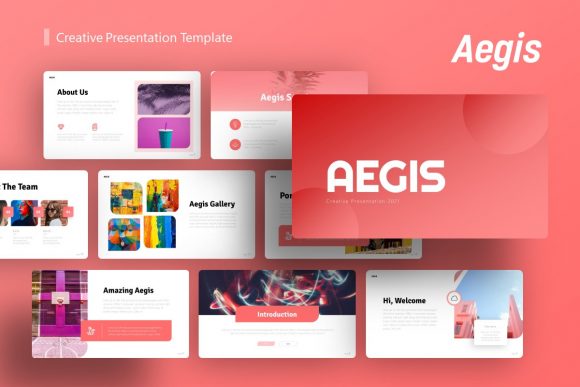
Selecting the right visual framework is a critical step in professional communication. For individuals and organizations assessing their options, Presentation Template - Aegis represents a specific category of design assets aimed at balancing aesthetic appeal with functional utility. This template is positioned as a versatile solution for Creative Agencies, Company Profiles, Corporate Business presentations, Portfolios, Photography showcases, Pitch Decks, Startups, and Personal Portfolios. When evaluating whether this asset aligns with current project requirements, it is necessary to look beyond the preview images and understand the technical specifications, workflow implications, and practical tradeoffs involved in its implementation.
Core Functionality and Technical Specifications
At its foundation, Presentation Template - Aegis is a PowerPoint-based (.PPTX) asset designed to streamline the creation of slide decks. The primary technical specification is the inclusion of 36 unique slides per template. For evaluators, this volume serves as a benchmark for content capacity. Thirty-six slides provide sufficient variety to cover comprehensive topics without forcing repetitive layouts, yet it remains manageable enough to avoid overwhelming the editor. This slide count typically includes a mix of title slides, content-heavy text layouts, image grids, and data visualization pages.
A significant differentiator in the evaluation process is the template’s architecture. It is built upon Master Slides rather than individual slide formatting. This distinction is vital for long-term maintenance. When changes are applied to a Master Slide, they propagate across all associated slides, ensuring consistency and reducing manual editing time. Furthermore, the template features handcrafted infographics and pixel-perfect illustrations that are fully resizable and editable within PowerPoint. This means users are not locked into static imagery; vector elements can be recolored and reshaped to match specific brand guidelines without requiring external software like Adobe Illustrator.
Assessing Versatility Across Use Cases
The stated versatility of Introducing Aegis Creative Presentation suggests broad applicability, but objective evaluation requires matching specific features to distinct use cases. For Creative Agencies and Portfolios, the template’s strength lies in its picture placeholders and drag-and-drop functionality. These features allow for rapid iteration when showcasing visual work. The grid systems and typography choices generally favor negative space, which is essential for letting photography or design work take precedence over the slide structure itself.
Conversely, for Corporate Business and Startup Pitch Decks, the value proposition shifts toward the included infographic library. Startups often need to explain complex business models or market data quickly. Having pre-built, editable diagrams reduces the cognitive load of designing data visualizations from scratch. However, evaluators should verify that the tone of the handcrafted illustrations matches the formality required for their specific industry. While "pixel-perfect" implies high quality, stylistic alignment is subjective and must be confirmed against corporate branding standards before purchase.
Workflow Benefits and Efficiency Gains
The primary benefit of adopting Presentation Template - Aegis is efficiency. Creating a cohesive 30-slide deck from a blank canvas can require dozens of hours of design work. By utilizing a pre-structured master slide system, that timeline is compressed significantly. The "easy customizable contents" claim refers to the use of standard PowerPoint text boxes and shape layers rather than flattened images. This ensures that non-designers can update content without breaking the layout integrity.
Additionally, the inclusion of a documentation file and vector icons adds tangible value to the workflow. Documentation reduces the learning curve associated with complex master slide hierarchies, while the bundled vector icon set eliminates the need to source third-party assets separately. For teams with multiple contributors, these standardized assets help maintain visual consistency even when different individuals are working on separate sections of the same presentation.
Tradeoffs and Practical Considerations
Despite the benefits, there are inherent tradeoffs to consider when selecting any pre-made template. The most immediate consideration is the "preview vs. reality" gap. As noted in the product specifications, all images in the demo are for preview purposes only and are not included in the files. Evaluators must possess or have access to high-quality imagery that matches the aspect ratios and aesthetic density of the placeholder slots. If a user lacks strong photography or relies heavily on generic stock photos, the final output may not achieve the polished look seen in the marketing materials.
Another consideration is the learning curve associated with Master Slides. While they offer superior control, they can be intimidating for novice PowerPoint users accustomed to direct slide editing. Users must be comfortable navigating the Slide Master view to unlock the full potential of Presentation Template - Aegis. If a team lacks this technical proficiency, the initial time savings may be negated by troubleshooting formatting issues.
Furthermore, reliance on a specific template can sometimes lead to visual homogeneity. If an organization uses this template for every internal and external communication, stakeholders may experience design fatigue. It is advisable to evaluate whether this template will serve as a primary brand vehicle or a supplementary tool for specific occasions.
Determining Fit: When to Choose Aegis vs. Alternatives
Determining whether Presentation Template - Aegis is the correct choice depends on specific project constraints and organizational capabilities. This template is likely a strong fit if:
- Speed is a priority: You need a professional-grade deck in under 48 hours.
- Internal design resources are limited: You lack a dedicated graphic designer but need output that exceeds default PowerPoint themes.
- Data visualization is key: Your presentation relies heavily on explaining processes or statistics via infographics.
- PowerPoint is the mandatory format: Stakeholders require an editable .PPTX file rather than a PDF or Keynote deck.
Conversely, alternatives may be worth considering if:
- Brand rigidity is extreme: Your corporate identity guidelines are so strict that modifying a third-party master slide would take longer than building from scratch.
- Web-first delivery is required: The presentation is intended solely for online viewing, making web-native tools (like Canva or Figma) potentially more collaborative and accessible.
- Animation complexity is high: While Aegis includes transitions, highly custom motion graphics often require specialized video or animation software.
- Budget is zero: Free alternatives exist, though they typically lack the master slide architecture and vector asset libraries found in premium templates.
Making the Final Decision
Ultimately, the decision to acquire Presentation Template - Aegis should be based on a gap analysis between current capabilities and desired outcomes. Evaluators should audit their existing asset library to ensure they have the photographic content necessary to populate the 36 slides effectively. They should also assess the technical comfort level of the end-users who will be editing the file. If the goal is to elevate the visual standard of business communications while retaining the editability of PowerPoint, and if the user has the assets to fill the framework, this template offers a structured path to professional results. However, if the primary need is bespoke artistic expression or web-based collaboration, other tools may yield a higher return on investment.