Evaluating the Presentation Template - Architect for Professional Design Needs
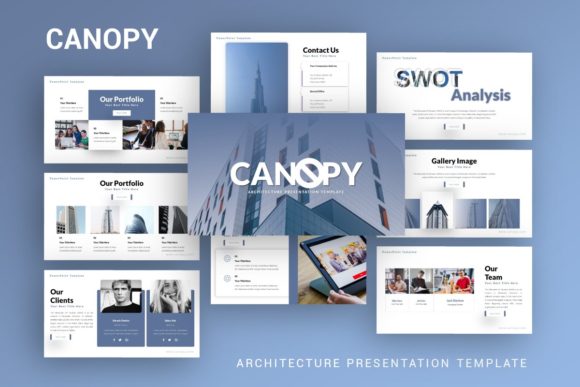
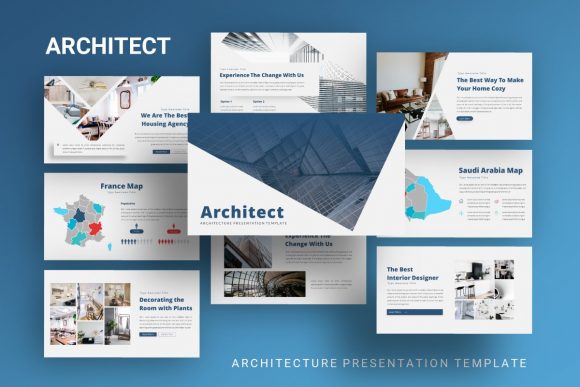
In the competitive landscape of visual communication, the difference between a mediocre pitch and a compelling narrative often lies in the structural integrity of the slide deck. For professionals ranging from architects and interior designers to startup founders and creative directors, the Presentation Template - Architect offers a specialized framework designed to bridge the gap between technical precision and aesthetic appeal. Unlike generic corporate themes that prioritize text density over visual hierarchy, this template is engineered for users who need to showcase spatial concepts, portfolios, or structured business proposals with clarity. Understanding its specific utility requires looking beyond the surface-level aesthetics to evaluate how its 35-slide architecture functions in real-world scenarios.
Structural Versatility Across Industries
While the nomenclature suggests a niche focus on architecture, the practical application of the Presentation Template - Architect extends significantly further. The design language relies on clean lines, ample negative space, and grid-based layouts that are universally effective for high-end visual storytelling. This makes it a viable asset for diverse sectors including creative agencies, photography portfolios, and corporate pitch decks.
For a Creative Agency, the template provides a sophisticated backdrop that does not compete with client work. The minimalist approach ensures that case studies and campaign visuals remain the focal point. Similarly, for Startups preparing a pitch deck, the structured flow allows for a logical progression from problem identification to solution and market analysis without the clutter often found in free alternatives. Photographers and artists benefit from the dedicated portfolio layouts, which treat images as primary content rather than decorative afterthoughts. Even for personal branding, the template’s professional tone helps freelancers and consultants present their services with established credibility.
Technical Specifications and Workflow Efficiency
The true value of any presentation asset is measured by how much time it saves during the creation process. The Presentation Template - Architect includes 35 unique slides, a quantity that strikes a balance between variety and manageability. Having too few slides forces repetitive formatting, while having hundreds often leads to decision paralysis. This specific count covers the essential narrative arcs required for most professional presentations.
A critical feature for workflow efficiency is the use of Master Slides. In professional PowerPoint environments, Master Slides act as the global stylesheet for the deck. When a user adjusts a font, color palette, or logo placement on the master, those changes propagate instantly across all associated slides. This is indispensable for maintaining brand consistency, especially when multiple team members are collaborating on a single file. It eliminates the tedious task of formatting individual slides and reduces the risk of visual errors before a high-stakes meeting.
Furthermore, the inclusion of handcrafted infographics addresses a common pain point: data visualization. Rather than relying on standard Excel charts that look disconnected from the design theme, these vector-based graphics are integrated directly into the aesthetic system. They are fully editable, allowing users to input their own metrics while retaining the polished, custom-illustrated look. The fact that all graphics are resizable and editable vectors means they will not pixelate when projected on large screens or printed as handouts, preserving professional quality at any scale.
Customization and Asset Management
Flexibility is paramount when adapting a pre-made template to unique content. The Presentation Template - Architect utilizes picture placeholders with drag-and-drop functionality. This seemingly simple feature significantly accelerates the population of portfolio slides or team introduction pages. Users do not need to manually crop, mask, or align images; the placeholder handles the geometry automatically. This allows non-designers to achieve a designer-level finish without advanced Photoshop skills.
The package also includes a documentation file and a set of vector icons. While often overlooked, comprehensive documentation is a marker of a reliable product. It guides users through the customization process, explaining how to edit masters, swap icons, and manage color schemes. The included vector icon set ensures that bullet points and conceptual diagrams share the same stroke weight and style as the rest of the deck, avoiding the jarring effect of mixing clip art with premium design elements.
Understanding File Deliverables and Limitations
Prospective users must have realistic expectations regarding what is included in the download. The package contains the PowerPoint .PPTX file, documentation, and vector icons. However, it is crucial to note that all images shown in the demo preview are for display purposes only and are not included in the actual files. This is standard industry practice due to licensing restrictions, but it requires users to have their own high-quality imagery ready before beginning. The template provides the frame; the user must provide the art.
This limitation actually serves a practical purpose. It prevents the legal gray areas associated with bundled stock photography and encourages users to populate the deck with authentic, proprietary visuals. For architects and photographers, this is preferable, as using generic stock imagery would undermine the authenticity of a portfolio. For businesses, it reinforces the need to use actual product shots or office photography rather than staged representations.
Real-World Performance and Usability Analysis
In practical testing, the Presentation Template - Architect demonstrates strong performance in terms of file stability and editability. The reliance on native PowerPoint shapes and vectors rather than flattened images means the file size remains manageable, and load times are reasonable even on older hardware. This is a significant advantage over templates that rely heavily on embedded high-resolution renders, which can cause lag during live presentations.
The "pixel-perfect" claim holds up under scrutiny. Alignment guides and grid systems appear to be rigorously applied. When moving elements between slides, snapping points function correctly, making it difficult to accidentally misalign content. This attention to detail reduces the cognitive load on the presenter. Instead of worrying about whether a text box is centered, the user can focus entirely on refining the narrative and delivery.
However, users should be aware that the template’s strength—its rigid, architectural grid—can also be a constraint for highly organic or chaotic content. If a presentation requires fluid, asymmetrical layouts or dense textual academic citations, this template may require significant modification to fit the content. It excels at structured, visual-heavy communication but is less suited for text-dominant reports. Evaluating whether your content aligns with this visual philosophy is the first step in determining suitability.
Strategic Value for Target Audiences
Determining if the Presentation Template - Architect is the right investment depends on specific professional goals. For architects and interior designers, it is arguably one of the most relevant tools available because the slide design mirrors the discipline’s own principles of space and structure. It speaks the visual language of the industry, creating immediate subconscious rapport with clients and peers.
For marketers and entrepreneurs, the value proposition is speed and polish. Building a 35-slide deck from scratch with custom infographics and consistent typography can take dozens of hours. This template compresses that timeline significantly, allowing more resources to be allocated to strategy and rehearsal. The professional sheen it provides can elevate a startup’s perceived maturity, which is often a deciding factor in investor relations.
Educators and speakers will find the infographic slides particularly useful for breaking down complex processes or historical timelines. The visual engagement helps maintain audience attention better than bullet-point lists. Meanwhile, freelancers can use the portfolio sections to create a reusable sales deck that can be quickly updated for each new prospective client, streamlining the business development cycle.
Maintaining Long-Term Relevance
A frequent concern with presentation templates is the risk of looking dated after repeated use. The Presentation Template - Architect mitigates this through its adherence to timeless design principles rather than fleeting trends. By avoiding heavy gradients, drop shadows, or novelty animations, the template maintains a neutral sophistication that ages well. To keep the deck fresh over multiple years, users should leverage the Master Slide color editing features to rotate accent colors seasonally or per project. Changing the typeface pairing is another low-effort method to revitalize the template’s feel without rebuilding the layout structure.
Ultimately, this resource represents a functional tool rather than a magic solution. It provides a robust, professionally engineered foundation that respects the user's time and intelligence. For professionals who understand that good design is an enabler of clear communication, the Presentation Template - Architect offers a reliable, flexible, and aesthetically disciplined platform for conveying ideas effectively. Its worth is realized not just in the initial download, but in the cumulative hours saved and the consistent professional standard it helps maintain across every presentation delivered.