Strategic Storytelling Through the Intentions Presentation Architecture
In the modern digital landscape, the ability to communicate complex ideas with clarity and visual impact is a defining skill for professionals across every sector. Whether pitching a startup concept, showcasing a photography portfolio, or outlining corporate strategy, the vessel of communication matters as much as the message itself. The Presentation Template - Intentions serves as a comprehensive architectural framework designed to bridge the gap between raw data and compelling narrative. Unlike generic slide decks that force content into rigid boxes, this system provides a flexible infrastructure that adapts to the specific needs of creative agencies, business leaders, educators, and individual creators.
The Technical Foundation of Master Slide Systems
To understand the utility of the Intentions architecture, one must first appreciate the technical distinction between standard slides and master slide-based design. Many users struggle with presentation software because they treat each slide as an isolated canvas. This approach leads to inconsistency in typography, misaligned elements, and excessive time spent on formatting rather than content creation. The Intentions template resolves this through a robust Master Slide foundation.
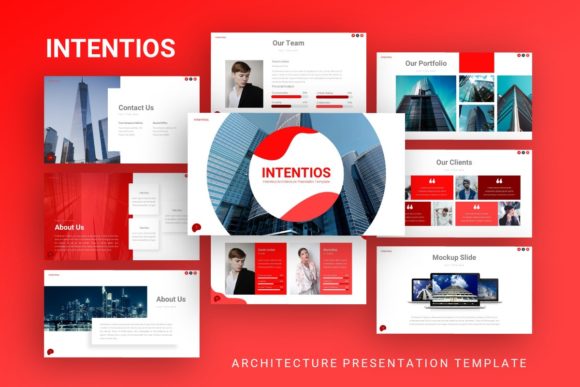
Master slides act as the global stylesheet for a presentation. When utilizing the 35 unique slides included in this package, users are not merely moving static images; they are manipulating intelligent layouts where changes propagate globally. This ensures that brand colors, logo placement, and font hierarchies remain pixel-perfect throughout the entire deck. For business owners and corporate teams, this consistency is non-negotiable. It signals professionalism and attention to detail, reinforcing brand identity without requiring manual adjustment on every single page. The handcrafted infographics embedded within these masters allow for data visualization that is both aesthetically pleasing and structurally sound, ensuring that charts and graphs resize proportionally when dimensions change.
Diverse Applications Across Professional Verticals
The versatility of the Presentation Template - Intentions lies in its agnostic design philosophy. While many templates are niche-specific, this architecture supports a wide spectrum of use cases by focusing on universal principles of information design. Understanding how different sectors leverage these tools reveals their practical value.
Creative Agencies and Portfolios
For creative professionals, the presentation is often an extension of their artistic capability. Photographers and designers require layouts that prioritize negative space and image fidelity. The drag-and-drop picture placeholders in this template facilitate rapid iteration, allowing creatives to swap assets without breaking the layout grid. This is crucial during client pitches where feedback loops are fast. The pixel-perfect illustrations ensure that even placeholder states look intentional and polished, maintaining the agency’s premium perception even during draft phases.
Startups and Pitch Decks
In the venture capital ecosystem, clarity equals credibility. Startups using the Intentions framework benefit from pre-structured narrative flows commonly found in successful pitch decks. The inclusion of vector icons and editable graphics allows founders to visualize business models, market sizing, and user journeys without hiring external illustrators. Because all graphics are resizable and editable, a startup can adapt the same core template for investor meetings, conference talks, and internal team updates, ensuring message alignment across all stakeholders.
Corporate Reporting and Education
Corporate environments and educational institutions often deal with dense information. The handcrafted infographic capabilities transform dry statistics into digestible visual stories. Educators can use these visual aids to enhance retention, while corporate trainers can standardize training materials across departments. The documentation file included with the template serves as a vital resource here, enabling non-designers to maintain professional standards independently.
Navigating the Asset Ecosystem and File Management
A significant consideration when adopting any digital asset is understanding exactly what is delivered versus what is implied. Transparency regarding file contents prevents workflow bottlenecks. The Presentation Template - Intentions package is structured to provide maximum editability while respecting intellectual property boundaries.
- PowerPoint .PPTX File: The core deliverable is fully compatible with Microsoft PowerPoint, ensuring accessibility for the vast majority of business users. This format preserves animations, transitions, and master slide relationships.
- Documentation File: Often overlooked, this component is essential for maximizing ROI. It provides guidance on customizing masters, replacing assets, and troubleshooting common formatting issues, effectively serving as an onboarding manual for the template.
- Vector Icon Set: Scalable vector graphics ensure that iconography remains crisp on high-resolution displays and large projection screens. Unlike raster images, these icons can be recolored to match specific brand guidelines instantly.
- Image Licensing Awareness: Users must note that all images shown in demo previews are for demonstration purposes only and are not included in the downloadable files. This industry-standard practice protects photographers' rights and encourages users to integrate their own authentic visual assets, which ultimately results in a more genuine and legally compliant presentation.
Optimizing Workflow Efficiency Through Customization
The primary advantage of adopting a sophisticated template like Intentions is the dramatic reduction in production time. However, efficiency is only realized when users understand the mechanics of customization. Easy customizable contents are a feature, but they require a strategic approach to implementation.
When modifying the 35 available slides, best practices suggest starting with the master view to establish global parameters before editing individual slides. This hierarchy prevents "style drift," where minor manual adjustments accumulate into major inconsistencies. Furthermore, the resizable nature of all graphic elements means that users should utilize grouping and alignment tools native to PowerPoint rather than manually stretching objects. This maintains the aspect ratios of handcrafted infographics and prevents distortion.
For teams collaborating on a single deck, the master slide architecture acts as a governance mechanism. By locking certain elements within the master, administrators can prevent accidental deletion of key branding components while still allowing team members to edit text and insert relevant data. This balance of control and flexibility is what distinguishes a professional presentation system from a simple collection of pretty slides.
Visual Hierarchy and Information Design Principles
Beyond technical features, the Intentions architecture embodies fundamental principles of visual communication. Effective presentations guide the viewer’s eye through deliberate hierarchy. The template achieves this through contrast, scale, and spatial organization.
The pixel-perfect illustrations are not merely decorative; they serve as cognitive anchors. In a sea of text, a well-placed graphic breaks monotony and aids memory retention. The template’s design anticipates this need by providing balanced compositions where text and imagery support rather than compete with each other. For researchers and educators presenting complex findings, this built-in balance helps translate academic rigor into accessible insights.
Moreover, the color systems utilized in the template are designed for accessibility and print compatibility. While digital displays offer vibrant RGB ranges, many business presentations are eventually printed or viewed on calibrated projectors. The Intentions palette considers these variables, ensuring that critical information remains legible regardless of the output medium. This foresight is particularly valuable for corporate profiles and portfolios that may exist in both digital and physical formats.
Strategic Considerations for Implementation
While the Presentation Template - Intentions offers extensive capabilities, successful deployment requires aligning the tool with the specific context of the audience. A pitch deck for investors demands a different pacing and density than a personal photography portfolio. Users should audit the 35 slides to select those that best serve their narrative arc rather than feeling compelled to use every available option.
It is also important to recognize that the template is a starting point, not a finished product. The "easy customizable" nature invites personalization, and users should leverage this to inject unique brand personality. Relying too heavily on default settings can result in a generic feel. Integrating proprietary photography, custom copywriting, and specific data sets transforms the template from a commodity into a bespoke communication asset.
Finally, consider the longevity of the file. Because the template is based on standard PowerPoint architecture and vector graphics, it avoids the obsolescence issues associated with proprietary design software. Files created today remain editable years from now, making the Intentions template a sustainable investment for organizations that archive and repurpose presentation content over time. This durability, combined with the immediate aesthetic and functional benefits, positions the template as a foundational element in a broader visual communication strategy.