Enhancing Digital Communication with the Answer Icon Vector Male Person Profile
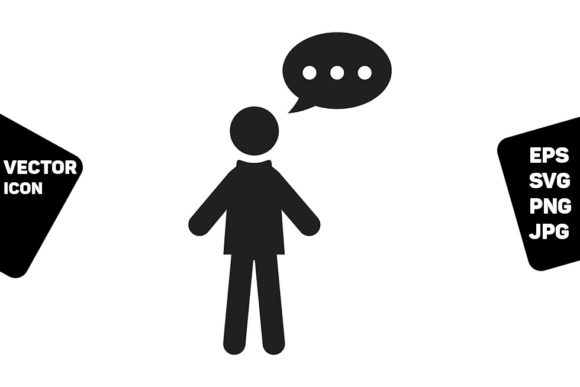
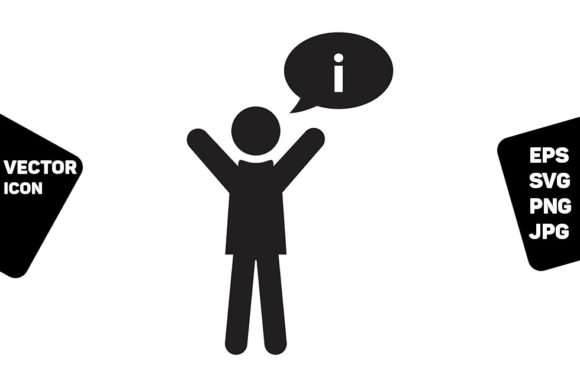
In the rapidly evolving landscape of digital interface design, visual shorthand has become the primary language of user interaction. Among the most critical elements in this visual lexicon is the Answer Icon Vector Male Person Profile, a specific graphic asset that bridges the gap between abstract functionality and human connection. This icon, typically depicting a male avatar accompanied by a speech bubble symbol, serves as an immediate cognitive cue for discussion, support, feedback, and information exchange. For web designers, UI specialists, infographic creators, and print professionals, understanding the technical and psychological nuances of this specific pictogram is essential for creating intuitive user experiences.
The Semiotics of Avatar-Based Interaction Cues
Visual communication relies heavily on established patterns to reduce cognitive load. When a user encounters an answer icon vector male person profile avatar with speech bubble symbol, they process two distinct pieces of information simultaneously: identity and intent. The male profile provides a sense of persona, suggesting that there is a human element behind the interface, while the speech bubble universally denotes communication, inquiry, or response. This combination is far more effective than a generic chat bubble alone because it anthropomorphizes the digital experience.
In flat color glyph pictogram illustrations, this semiotic pairing is distilled to its absolute essence. The lack of gradients, shadows, or complex textures ensures that the message is received instantly, even at small sizes or during brief glances. This style aligns with modern accessibility standards and responsive design principles, where clarity must be maintained across devices ranging from large desktop monitors to compact smartwatches. The "flat" aesthetic is not merely a stylistic trend; it is a functional necessity for icons that must remain legible against varying background colors and within constrained UI containers.
Technical Versatility Across File Formats
The utility of an Answer Icon Vector Male Person Profile is largely defined by its availability in multiple, industry-standard file formats. Professional workflows demand assets that can transition seamlessly from a high-resolution print brochure to a pixel-perfect mobile app interface without degradation. Understanding the specific application of each format is crucial for maximizing the asset's value.
- SVG (Scalable Vector Graphics): This is the gold standard for web and UI design. Because SVGs are XML-based code rather than pixel grids, they scale infinitely without losing quality. For an answer icon, this means crisp edges on Retina displays and 4K screens alike. Furthermore, SVGs can be manipulated via CSS, allowing designers to change the fill color of the male profile or the speech bubble dynamically based on hover states, dark mode toggles, or brand theming without needing separate image files.
- EPS (Encapsulated PostScript): While less common in pure web development, EPS remains vital for print projects and legacy vector editing software. If the answer icon vector male person profile is intended for business cards, signage, or large-format infographics, the EPS format ensures compatibility with professional printing workflows and Adobe Illustrator environments. It preserves the vector paths necessary for high-quality physical reproduction.
- PNG (Portable Network Graphics): Despite the dominance of vectors, rasterized PNGs remain indispensable for rapid prototyping, presentation decks, and platforms that do not support SVG rendering. A high-resolution PNG with a transparent background allows for immediate drag-and-drop usage in tools like Figma, Canva, or PowerPoint. For web use, PNGs serve as reliable fallbacks for older browsers or email clients where vector support is inconsistent.
- JPG (Joint Photographic Experts Group): Typically avoided for icons due to lossy compression and lack of transparency, JPG versions of this asset still hold niche value. They are useful for social media thumbnails, low-bandwidth environments, or contexts where a solid background color is acceptable and file size must be minimized to the absolute limit. However, for primary UI implementation, JPG should generally be secondary to vector or lossless raster formats.
Strategic Applications in User Interface Design
The placement and context of an answer icon vector male person profile avatar with speech bubble symbol for discussion and information significantly influence user behavior. In e-commerce platforms, this icon often anchors customer support widgets. The male avatar can be styled to match brand mascots or represent a specific support tier, creating a consistent narrative throughout the shopping journey. Unlike a generic headset icon, the profile suggests a named individual or a dedicated team, which can increase trust and reduce cart abandonment rates associated with pre-purchase anxiety.
In educational technology and e-learning environments, this pictogram takes on a different role. Here, it frequently signifies instructor feedback, peer discussion forums, or AI tutoring assistance. The flat color glyph style is particularly advantageous in these dense information environments because it occupies minimal visual real estate while conveying complex status information. For example, a colored variation of the icon might indicate unread messages from a tutor, while a muted version indicates resolved queries. This visual coding helps students navigate course materials efficiently without being overwhelmed by text labels.
Infographic and Editorial Integration
Beyond interactive interfaces, the Answer Icon Vector Male Person Profile serves as a powerful structural element in static media. Infographics dealing with demographics, survey results, or Q&A sections benefit immensely from this visual anchor. When presenting statistical data about male consumers or respondents, using a stylized avatar rather than a photograph maintains visual consistency with other data visualization elements. The speech bubble component can be creatively adapted to hold percentage values, short quotes, or key takeaways, transforming a passive icon into an active data container.
For print publications and editorial layouts, the vector nature of the EPS and SVG files allows art directors to integrate the icon into headlines, pull quotes, or sidebar graphics without worrying about resolution mismatches. The flat design aesthetic complements modern typography and minimalist layout trends, ensuring the icon enhances rather than distracts from the written content. In corporate reporting, such icons help break up dense textual analysis, guiding the reader’s eye through complex organizational charts or stakeholder feedback summaries.
Design Considerations and Accessibility Standards
While the answer icon vector male person profile is a versatile tool, its implementation requires careful consideration of inclusivity and clarity. Relying solely on gendered avatars can inadvertently exclude users or reinforce outdated stereotypes. Best practices in modern UI design suggest offering this icon as part of a diverse set, or using it specifically when representing a known male entity (such as a specific author, agent, or historical figure). When used generically for "support" or "discussion," neutral alternatives should also be available to ensure the interface feels welcoming to all users.
Accessibility extends beyond representation to technical implementation. When deploying this icon in web or app environments, developers must ensure proper semantic markup. An SVG icon should include appropriate ARIA labels or title tags so that screen reader users understand its function. A visually impaired user navigating a site should hear "Contact Support" or "Read Instructor Feedback" rather than "Male Person Image." Additionally, color contrast ratios between the icon and its background must meet WCAG guidelines. Flat color glyphs make this easier to manage, but designers must still verify that the chosen palette remains distinguishable for users with color vision deficiencies.
Optimizing Assets for Performance and Workflow
Acquiring an icon pack that includes PNG, SVG, EPS, and JPG files streamlines the production pipeline, but optimization is still required. For web deployment, SVG files should be cleaned of unnecessary metadata, editor artifacts, and hidden layers to reduce file size. Tools like SVGO can automate this process, ensuring the answer icon vector male person profile loads instantaneously. For PNG exports, utilizing 8-bit color depth instead of 24-bit can significantly reduce bandwidth usage for simple flat glyphs without visible quality loss.
In collaborative design environments, maintaining a centralized library of these assets prevents version drift. When multiple designers work on a project, having a single source of truth for the male profile answer icon ensures consistency across marketing materials, product interfaces, and documentation. The availability of multiple formats supports this ecosystem: developers pull SVGs from the repository, marketers download PNGs for slide decks, and print vendors receive EPS files for collateral. This interoperability is what transforms a simple graphic asset into a foundational component of a comprehensive design system.
Ultimately, the effectiveness of the Answer Icon Vector Male Person Profile lies in its ability to humanize digital spaces while maintaining rigorous functional standards. Whether facilitating a critical customer service interaction, illustrating complex demographic data, or guiding a student through an online curriculum, this flat color glyph pictogram delivers clarity and connection. By leveraging the unique strengths of SVG, EPS, PNG, and JPG formats, creators can ensure that this visual communicator performs flawlessly across every medium, reinforcing the message that behind every digital interface, there is a conversation waiting to happen.