Doctor Icon Vector Medical Consultation Assets
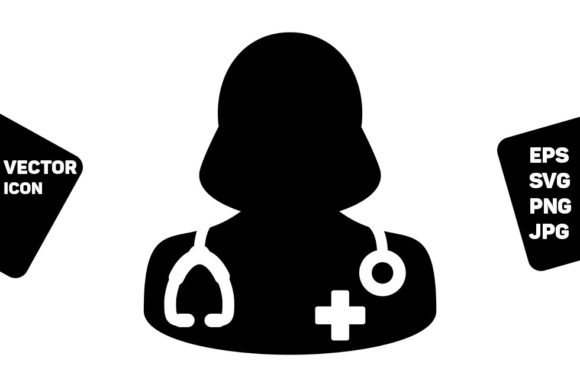
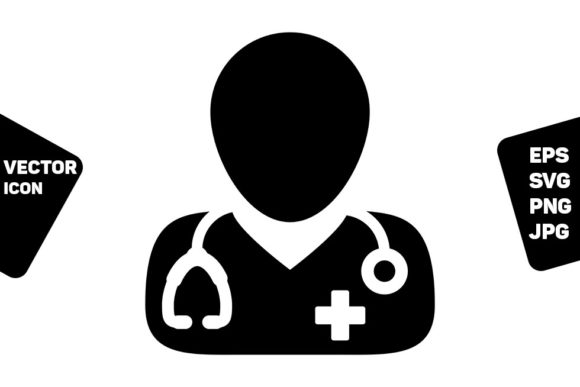
Visual communication in healthcare requires a delicate balance between professional authority and human empathy. When designing for medical platforms, educational materials, or health-related marketing, the imagery you choose sets the immediate tone for user trust. A Doctor Icon Vector Medical Consultation asset serves as more than just a decorative element; it functions as a critical navigational cue and a symbol of care. This specific illustration, featuring a male physician avatar with a stethoscope and cross symbol glyph pictogram, provides a versatile foundation for communicating medical expertise across digital and print mediums.
The availability of this design in PNG, SVG, EPS, and JPG formats ensures that it meets the technical demands of modern workflows. However, the true value lies in understanding how to leverage these different file types to suit specific project goals. Whether you are building a telemedicine app, creating patient education brochures, or designing a personal blog about health, selecting the right format and application style is essential for effective communication.
Technical Versatility Across File Formats
Understanding the distinct advantages of each included file type helps creators maximize the utility of the Doctor Icon Vector Medical Consultation package. Each format solves a different problem in the design pipeline.
- SVG (Scalable Vector Graphics): This is the gold standard for web and UI design. Because SVGs are code-based vectors, they scale infinitely without losing quality. For a responsive medical website, this means the doctor avatar remains crisp on a 4K monitor and a mobile phone screen alike. It also allows for CSS manipulation, enabling developers to change colors dynamically to match brand themes or dark mode settings without needing new image files.
- EPS (Encapsulated PostScript): Essential for print professionals and large-format designers. If you are producing clinic signage, vehicle wraps for mobile health units, or high-resolution brochures, the EPS file provides the vector data necessary for commercial printing. It maintains sharp edges and solid color fills regardless of physical size, preventing the pixelation that occurs when stretching raster images.
- PNG (Portable Network Graphics): The most practical format for quick integration and non-designers. With a transparent background, this file slots directly into PowerPoint presentations, Word documents, or content management systems like WordPress. It supports transparency, making it ideal for overlaying the physician icon onto colored backgrounds or complex photographs without unsightly white boxes.
- JPG (Joint Photographic Experts Group): While less common for icons due to lack of transparency, JPGs offer universal compatibility. This format is useful for legacy systems, email signatures, or social media profile pictures where alpha channels are not supported. It ensures that the medical consultation graphic displays correctly even in environments with limited rendering capabilities.
Diverse Applications for Different Creators
The relevance of a male physician glyph varies significantly depending on who is using it and what they aim to achieve. A one-size-fits-all approach rarely works in visual design, so considering your specific role helps determine the best implementation strategy.
Web Developers and UI Designers
For those building digital health products, clarity and performance are paramount. In a telemedicine interface, users need to instantly distinguish between administrative staff, nurses, and consulting physicians. Using the SVG version of this icon as a consistent visual marker reduces cognitive load. Developers prioritize this asset for its lightweight file size, which contributes to faster page load times—a critical factor for SEO and user retention in healthcare apps. The ability to animate the SVG or integrate it into interactive buttons adds a layer of polish that static images cannot provide.
Educators and Academic Publishers
In educational contexts, accuracy and inclusivity matter most. Textbook authors and e-learning course creators use this pictogram to illustrate concepts related to primary care, diagnosis, or medical ethics. Here, the PNG or EPS formats are often preferred for their ease of placement within layout software like InDesign or Canvas. Educators evaluate this icon based on its neutrality and clarity; the stylized nature of the glyph avoids issues related to model releases or specific demographic representation while still clearly signifying "doctor." This makes it a safe, reliable choice for standardized testing materials or public health infographics where consistency across multiple pages is required.
Small Business Owners and Marketers
Clinic owners, private practitioners, and health bloggers often operate without dedicated design teams. For this group, the pre-made nature of the Doctor Icon Vector Medical Consultation asset offers immediate professional credibility. Instead of commissioning expensive custom illustrations, a local chiropractor or therapist can use the high-quality PNG to create cohesive social media graphics or appointment reminder cards. The priority here is cost-effectiveness and speed. The inclusion of the cross symbol and stethoscope universally signals medical services, helping small businesses communicate their offerings quickly to potential patients who are scanning for relevant providers.
Hobbyists and Content Creators
Bloggers writing about personal health journeys or students creating class projects may not have advanced technical skills. For these users, the accessibility of the JPG and PNG files removes barriers to entry. They might use the icon to break up long text blocks in an article about finding a specialist or to visualize a step-by-step guide on preparing for a check-up. The evaluation criteria for hobbyists often center on aesthetic appeal and ease of use rather than technical scalability. Having a polished, professional-looking avatar elevates the perceived quality of amateur content without requiring mastery of vector editing software.
Evaluating Suitability for Your Project
Before integrating this specific male physician avatar into your work, consider whether it aligns with your broader visual strategy and audience expectations. Not every medical project requires the same type of imagery.
Consider Representation and Context: This icon depicts a male physician. If your platform aims to represent a diverse medical team or specifically focuses on women’s health, you may need to pair this asset with complementary female or gender-neutral icons to create a balanced visual language. Consistency in style is key; mixing this clean glyph pictogram with realistic 3D renders or hand-drawn sketches can create visual dissonance. Ensure this icon belongs to a cohesive family of symbols if used within a larger system.
Assess Technical Requirements: Be honest about your workflow capabilities. If you lack vector editing software like Adobe Illustrator or Figma, the EPS and SVG files may be less immediately useful to you, though they hold long-term value if you plan to hire a designer later. Conversely, if you are a developer, relying solely on the JPG would be a missed opportunity for optimization. Match the file format to your current skill set and future scalability needs.
Evaluate Commercial and Licensing Needs: Professionals must always verify usage rights. While this asset package provides the necessary files, ensuring you have the appropriate license for commercial web use, resale, or editorial publication is a separate but vital step. Business owners should confirm that the icon can be trademarked or modified if branding guidelines require unique alterations. Hobbyists typically have more flexibility but should still respect attribution requirements if applicable.
Enhancing Communication Through Visual Hierarchy
Beyond mere decoration, the Doctor Icon Vector Medical Consultation illustration plays a functional role in information architecture. In infographic design, for example, this icon acts as an anchor point. When explaining complex medical processes, placing the physician glyph next to key steps helps readers orient themselves within the narrative. It signifies expert input or clinical decision points, distinguishing them from patient actions or general information.
For print projects, the contrast and simplicity of the glyph ensure legibility at small sizes. Unlike detailed illustrations that muddy when scaled down for business cards or prescription pads, this pictogram retains its identity. This reliability makes it a staple for stationery suites and wayfinding systems in hospitals where quick recognition is a safety issue as much as a design concern.
Ultimately, the effectiveness of this asset depends on intentional application. By matching the correct file format to your medium and considering the specific needs of your audience—whether they are patients seeking reassurance, students learning terminology, or users navigating an app—you transform a simple vector graphic into a powerful tool for connection and clarity. The combination of technical flexibility and clear symbolic meaning makes this icon package a practical resource for anyone tasked with translating medical concepts into accessible visual experiences.